
Scones
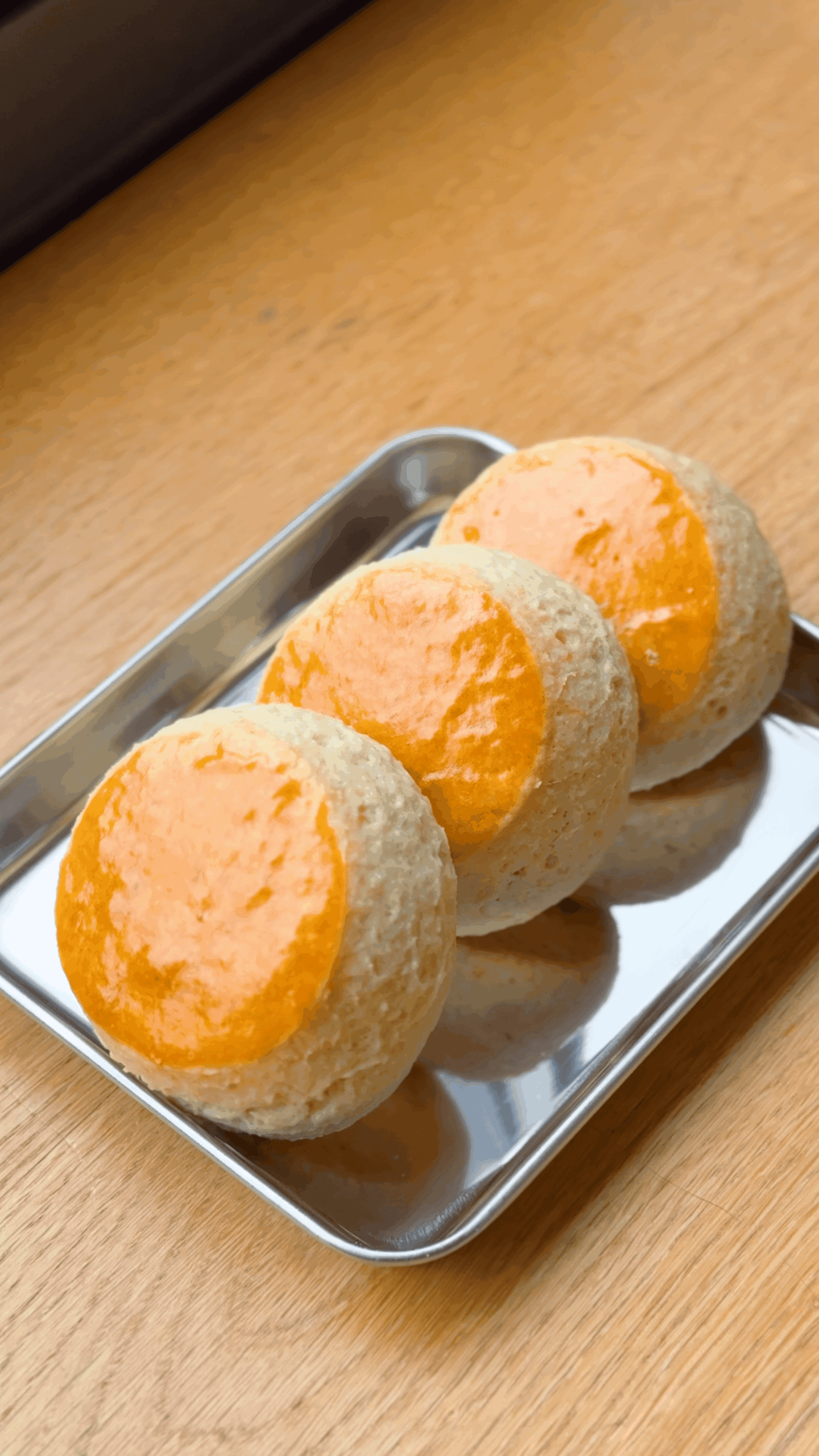
Scones
If you’re making afternoon tea, you have to have a scone recipe! There is a huge variety of ways to make these but this is the one I always turn to for its soft texture and really clean presentation.
The dough is simple to make but pay attention to the timings and techniques.
These are always best served the same day, but can also be stored in an airtight container for 1-2 days.
Ingredients
Method
Into a stand mixer fitted with a paddle attachment, add the flour, baking powder salt and sugar. Mix briefly to combine.
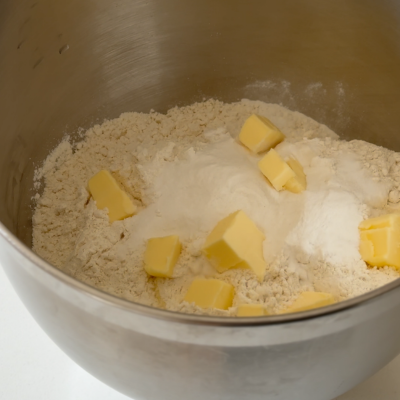
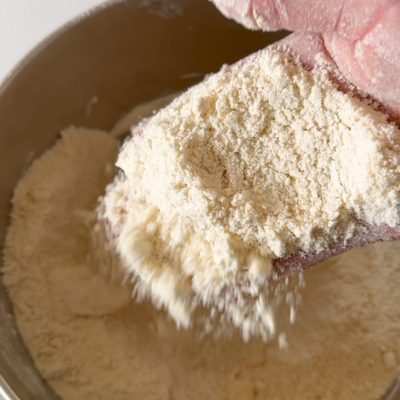
Add in the cold cubed butter and mix on a low speed until the butter has broken down and it resembles a bread crumb like consistency.
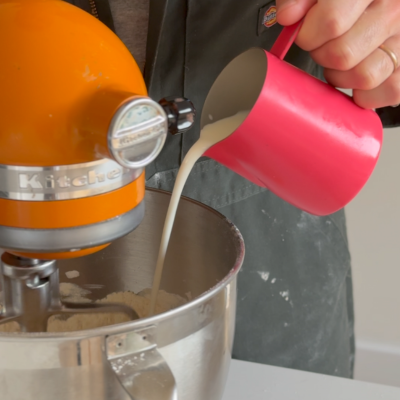
While still mixing on low, pour in the milk. You can also use buttermilk instead.
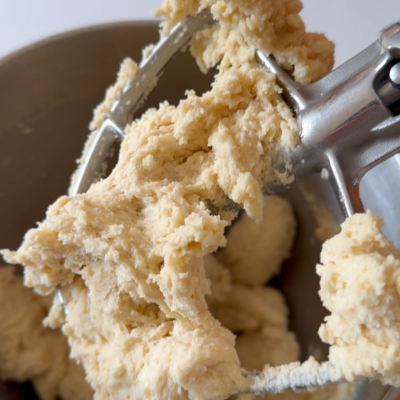
Mix until a dough forms, then continue to mix for 20 seconds. If you want to add sultanas (or raisins), mix these in right at the end so as not to discolour the dough.
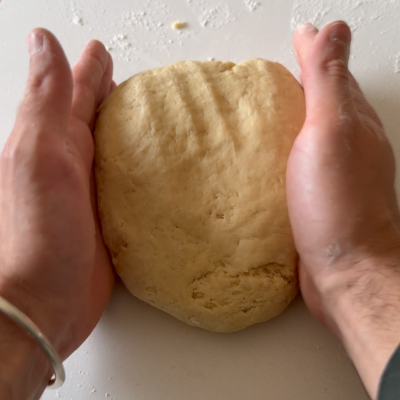
Remove the dough from the mixer and tip it onto a lightly floured work surface. Gently knead the dough for about 30 seconds until it forms a slightly smoother dough. Shape it into a rough rectangle.
Wrap the dough tightly in clingfilm and refrigerate for 30 minutes.
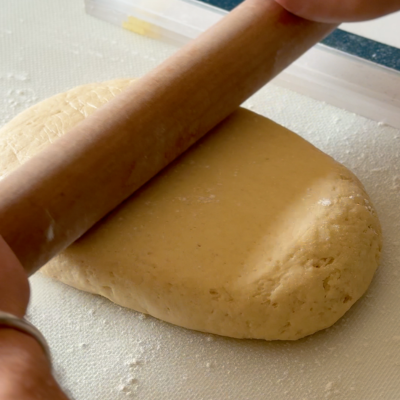
Once chilled, lift the dough onto a lightly floured silicon mat. Roll the dough to 18mm thick. Pastry rods are a really helpful tool to set the exact thickness you need.
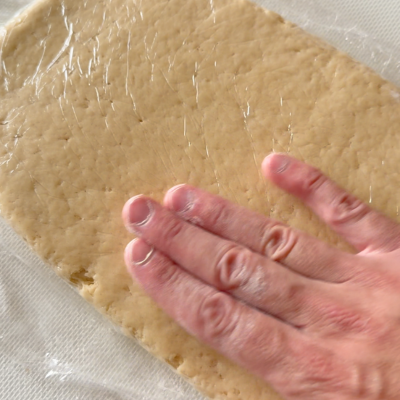
Cover the surface of the dough with clingfilm and gently rub the top with your hand. I find this helps to smooth the surface. Place it into the freezer for 20 minutes. This will make it easier to cut the dough.
Remove it from the freezer and flip the dough onto a fresh silicon mat or lightly floured surface so that the smooth side is now facing down. You need to make sure the dough isn't sticking when you cut it.
Use a lightly floured 6cm/2.3" cookie cutter to cut firmly down into the dough. Do not twist the cookie cutter, cut straight down.
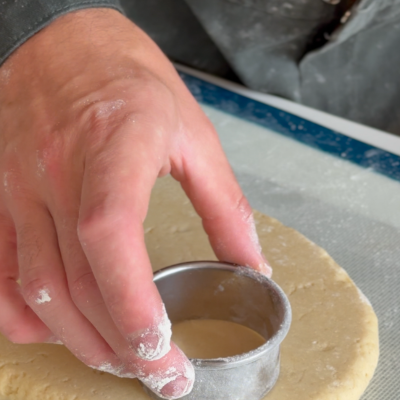
Lift the scones, smooth side facing up, onto a baking tray lined with baking paper. You can re-roll the scraps of dough once, to make more scones. You should get around 9-10 from the first batch of dough and an additional 3-4 from the second. I wouldn't recommend re-rolling it again after that.
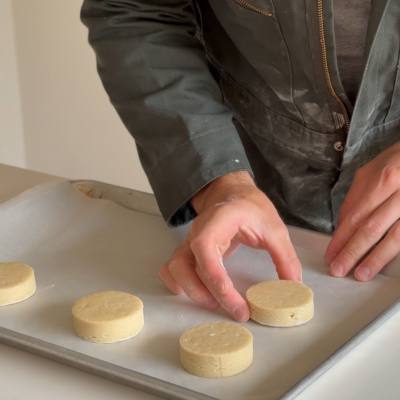
Cover the tray with clingfilm and refrigerate them for an hour, then remove them from fridge and leave them at room temperature for 45 minutes. This resting period is really important to creating a nice, uniform scone. Stick to these timings as close as possible as these gave me the best results.
Just before the 45 minutes is up, pre-heat the oven to 165C/330F (non-fan assisted. 145C/290F fan assisted). Brush a thin layer of egg wash over the top of each scone ensuring it doesn't drip down the side. Allow the egg wash to completely dry (about 5 minutes) then add another layer.
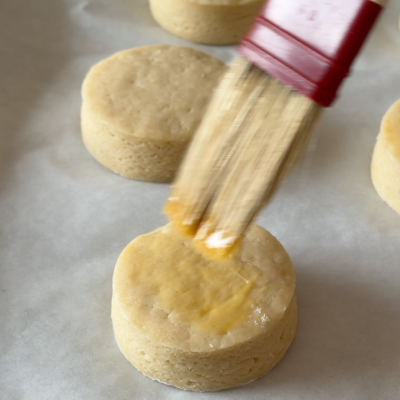
Place the scones into the centre of the oven and bake for around 20-22 minutes, or until an even golden brown colour. I bake at a lower temperature compared to most recipes for a more controlled rise.
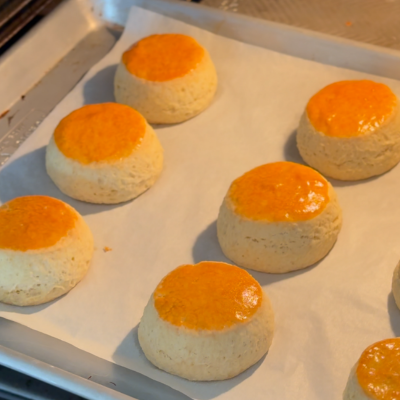
They will still be slightly underbaked when they come out of the oven, so let them cool at room temperature for 15 minutes. The residual heat will continue to cook them gently. Serve warm or at room temperature. These are best enjoyed fresh.